





















Mistakes of newcomers to LinkedIn that spoil the impression
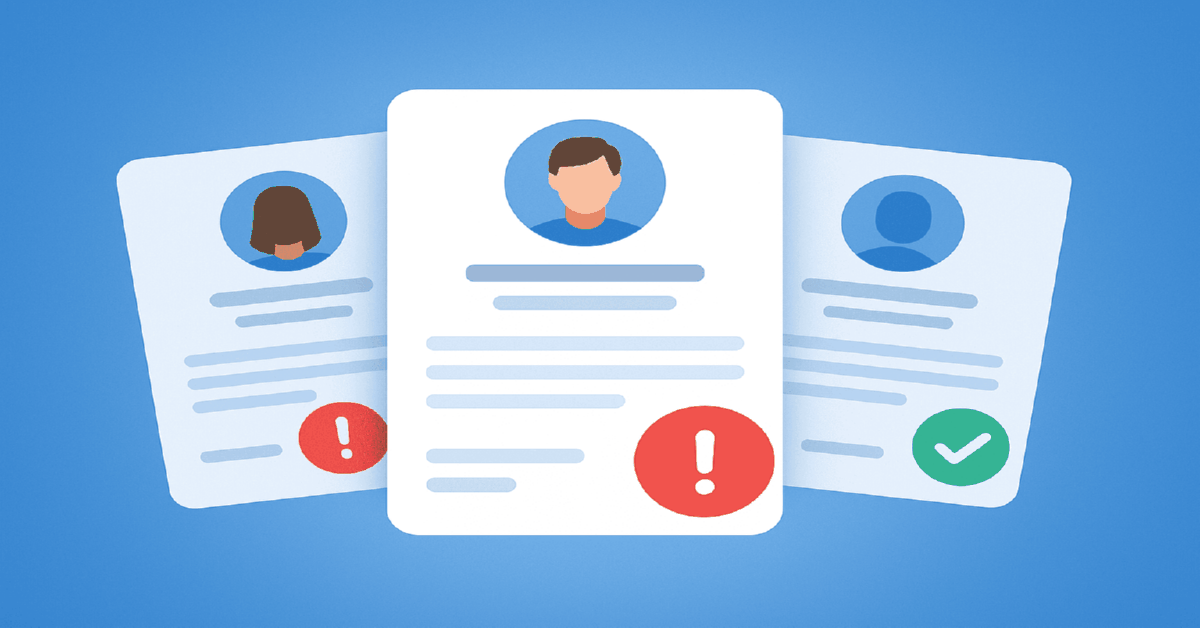


Summary:
- In 2026 LinkedIn is a credibility layer and warm-lead channel; vague signals lower trust and visibility.
- First-glance scan: photo, cover, headline, About top, and recent posts decide invites and replies.
- Mistake 1: CV-style profile. It must quickly show who you help, channels, markets, spend range, and outcomes.
- Proof Pack: describe vertical, geo, funnel, constraint, action, and outcome; add a brief "how I work" paragraph.
- Mistake 2: reach-chasing posts (quotes, rants, reposts with no angle). The feed rewards practical posts and dialogue.
- Reset levers: dwell time, comment depth, topic consistency, outbound links; track Search appearances, Profile views, inbound quality, discussion depth; run 30 days (week 1 profile, then one post/week + meaningful comments daily).
Definition
LinkedIn mistakes in 2026 are inconsistent profile, content, and networking signals that make you look vague or spammy, reducing trust and lowering reach in feed and search. In practice you reboot the profile (photo, cover, headline, About, experience), publish one case-style post per week, and leave a few meaningful comments daily, while tracking Search appearances, Profile views, inbound quality, and discussion depth to confirm the reset is working.
Table Of Contents
- Why LinkedIn mistakes hurt marketers and media buyers in 2026
- Why first impressions on LinkedIn are so fragile
- Mistake 1 Treating your profile like a static resume
- Mistake 2 Posting for reach instead of positioning
- Under the hood of the LinkedIn feed
- Mistake 3 Growing your network like a mass follow campaign
- Mistake 4 Treating likes, comments and reposts as mechanical chores
- How to reset a damaged LinkedIn image in 30 days
Why LinkedIn mistakes hurt marketers and media buyers in 2026
In 2026 LinkedIn is no longer just a place to park a resume. For marketers and media buyers it is a discovery engine, a credibility layer and a warm lead channel at the same time. A couple of clumsy moves in your profile, content or behaviour do not just "look weird" they quietly lower trust and push you down in the feed and in search.
If you are still trying to understand what LinkedIn really is beyond the "online CV" stereotype, it helps to start with a simple explainer on the platform and its real purpose for professionals. Here is a good quick read: https://npprteam.shop/en/articles/linkedin/what-is-linkedin-and-why-is-it-needed-in-simple-terms/ — it sets the context before you fix profile and content mistakes.
If your profile is vague, your posts are chaotic and your comments look like spam, the platform simply cannot classify you. Recruiters, founders and potential partners see someone "from marketing", but have no clue what you actually do, what budgets you run or what kind of problems you can solve for them.
Why first impressions on LinkedIn are so fragile
First impressions on LinkedIn are built in seconds. A person clicks your name and scans five things in one glance profile photo, cover image, headline, the top of your About section and the last couple of posts. On this basis they decide whether to accept your invite, reply to your message or just close the tab and forget your name.
For a hiring manager or founder you are not "a media buyer", you are a bundle of quick signals. Are you predictable or chaotic Do you look like a safe pair of hands for client budgets Do your posts sound like someone who knows how to test, measure and communicate Without those signals being clear they move on to the next profile with zero guilt.
Mistake 1 Treating your profile like a static resume
The classic beginner mistake is to copy a CV into LinkedIn. Boring corporate job titles, generic bullet points about "responsibility and stress resistance", no numbers, no verticals, no sense of what actually happens inside your ad accounts. Nothing in this profile actively repels people, but nothing invites them either.
For a performance marketer or media buyer a LinkedIn profile has to work like a landing page. In a few seconds it should answer three questions who you help, through which channels and with what business effect. If someone needs to scroll and guess, your profile is already losing deals before they even start.
If you want a practical checklist for building a profile that looks "operator-grade" (photo, bio, experience, skills, and how to connect it into one story), this guide is a solid reference: how to create a LinkedIn profile that signals trust. It is especially useful before you rewrite your headline and About section.
What a strong LinkedIn profile should signal at a glance
A strong profile for a media buyer or growth marketer sends clear signals even on a quick skim. The headline explains your role and channels for example "Performance Marketer · Paid Social and Search · DTC and SaaS". The photo is simple and human, not a cropped vacation shot. The cover image hints at your world dashboards, ad creatives, campaign structure, not random landscapes.
The About section reads like a short story about your work, not corporate noise. It mentions niches you know, usual monthly spend ranges, markets you touch and a couple of concrete wins. Experience is not just "launched campaigns" but context, such as "scaled US DTC campaigns from 10k to 60k monthly ad spend while keeping CAC stable". Even if you cannot publicly name brands, you can describe verticals, geo, funnel type and outcome.
Another subtle error is mismatched language. When your profile shell is in English but every post and interaction is in another language or the other way around, LinkedIn has a harder time understanding who to show you to and for what queries. Picking one main language for profile and content makes it easier for the algorithm and for humans to route you into relevant circles.
The Proof Pack: how to show results on LinkedIn without naming brands
Many media buyers stay vague because of NDAs, then wonder why nobody trusts their profile. You can still show proof if you switch from names to structure. Replace "worked with big brands" with a safe package of signals: vertical, geo, funnel type, spend range band, constraint, action, outcome. Example: "DTC, US, paid social, mid five figure monthly spend, goal was to stabilize CAC, rebuilt creative testing into weekly sprints, lifted conversion rate and reduced volatility." This reads like real work without exposing a client.
A second layer is your process proof. Mention how you think: experiment design, creative iterations, attribution limits, reporting cadence, post-mortems. The fastest credibility wins come from a short "how I work" paragraph in About and two experience bullets that show decisions and trade offs. If you cannot share exact ROAS, share what changed: "cut wasted spend by removing low intent placements" or "improved lead quality by tightening audience and landing message match."
Expert tip from npprteam.shop, marketing team: "If you cannot publish numbers, publish the logic. People trust operators who can explain constraints, choices and outcomes more than people who drop random screenshots."
Expert tip from npprteam.shop, marketing team: "Write a one page summary about yourself in a doc before touching LinkedIn. Who you help, which channels you know, what budgets you are comfortable with, what types of funnels you usually build. Then map that into your headline, About and experience. Consistency beats fancy wording every time."
Mistake 2 Posting for reach instead of positioning
Beginners often bring the logic of other social platforms to LinkedIn "post anything, as long as there is movement". This produces motivational quotes, vague thoughts on success, emotional rants about platforms and reposts of random threads from X with no commentary. Sometimes such posts even get reactions, but they do almost nothing for your positioning.
LinkedIn’s feed rewards practical, specific, context rich posts. The system tracks whether people read, save, share and comment with real thoughts. If your feed under your name is a mix of copied platitudes and low signal noise, the network cannot detect your topic. You become "just another noisy account", not "that media buyer who explains creative testing in plain language".
If you are stuck in "what do I even post first?" mode, start with a low-pressure format that still feels professional. This walkthrough shows how to publish a first post without sounding awkward: how to write your first LinkedIn post without hesitation.
What kind of posts quietly damage your reputation
The most dangerous posts are not necessarily the most toxic ones. It is the slow drip of complaints about clients, sarcasm about "idiot founders", threads mocking junior colleagues or platforms. In a private chat this may be tolerated. In a professional network it builds an image of someone who sees problems everywhere and solutions rarely.
There is also the trap of being only a repeater. When your feed is eighty percent shares of other people’s content with "interesting" or "worth reading" you look like a passive consumer, not a practitioner. The safest path is to publish short, grounded snapshots from your own test cycles, creative experiments and reporting struggles. Even small numbers and half finished hypotheses give more signal than another abstract "hot take".
Expert tip from npprteam.shop, marketing team: "Before hitting post ask one question what would someone learn here about how I actually work If the answer is "nothing, but it sounds smart", rewrite or discard. Your posts are not a billboard, they are a transparent wall into your process."
Under the hood of the LinkedIn feed
From the outside the feed looks like a simple chronological chaos. Under the hood LinkedIn is constantly recalculating a probability the chance that your next post will be genuinely useful to some slice of your network. That probability is updated with every micro signal how fast people scroll past you, whether they expand "see more", how deep comment threads go and whether discussions stay on topic.
If you push long unstructured walls of text with no clear first paragraph, people bounce quickly. If comments under your posts are mostly "agreed" and "thanks for sharing", the machine reads low depth. If themes jump wildly from paid social to random life philosophy to crypto takes, it becomes hard to classify you into any content cluster.
Once the system decides you are low signal, it starts testing your posts on smaller initial audiences. Fewer people see them early, which means fewer chances to collect meaningful engagement. Over time the network around you stops expecting anything useful and simply skims past your name. The spiral is subtle but very real.
Mistake 3 Growing your network like a mass follow campaign
Another beginner pattern is treating connection requests like cold traffic scaling. Search for "marketing", hit connect on everyone who appears and hope that some percentage will accept and buy. On LinkedIn this rarely works and often backfires. People here are protective of their network because every connection shapes their feed.
From a human perspective a blank invite from a stranger with a generic headline looks suspicious. From an algorithmic perspective a messy network where casino affiliates, life coaches, college students and a couple of CMOs sit in the same graph makes it harder to place you in meaningful clusters. Your recommendations become noisy, and even relevant people start ignoring you because you resemble a spammer.
If you want to grow fast without triggering the "spam" reflex, you need a cleaner playbook than mass connecting. This article breaks down a safe approach to building relationships on LinkedIn: how to develop a network without spammy behavior.
Subtle networking behaviours that look like spam
Sending connection requests without any note, especially outside your region or niche, is one of the fastest ways to look careless. Following up with a long sales pitch immediately after acceptance completes the picture. Even if your service is objectively strong, this pattern pushes you into the same mental bucket as generic automation tools.
A softer but still harmful version is adding people with whom you have absolutely no interaction history. You never commented on their posts, never spoke in the same thread, never exchanged a single message. When such an invite arrives, the other person has no hook to remember who you are or why you reached out.
Safer networking is slower. You appear in the comments first, add specific thoughts under their posts, share a small case or question, then send an invite that refers to that interaction. This feels natural and respectful. People remember you as "that buyer who asked a smart question about audience breakdowns", not "one more random profile from the pile".
Mistake 4 Treating likes, comments and reposts as mechanical chores
Many beginners believe their "real work" on LinkedIn happens only on their own profile. Everything else likes, comments, reposts is treated like background noise. In reality half of your reputation is built outside your page in the conversations you join and in the posts you amplify.
Mindless likes on every second post train your brain to treat the feed as endless entertainment. Short empty comments like "so true" or "great insights" add nothing to the conversation and gradually teach others to skip your name. Reposting articles without adding your own angle turns your feed into a random link board.
A comment as a micro portfolio of your thinking
A good LinkedIn comment is a tiny portfolio piece. It can be a micro case from your ad accounts, a small number from your dashboards, a constraint you had to work around or a different way to frame the same problem. When you consistently leave this kind of footprint, people start reading your name not as "another marketer" but as a specific voice.
Thoughtful commentary also triggers the algorithm differently. Long form replies that spark follow up questions and sub threads tell the system that you are a useful node in the network. Over time the platform becomes more willing to surface your posts to people you interacted with, and your DMs start to collect better quality conversations instead of generic pitches.
Expert tip from npprteam.shop, marketing team: "Limit yourself to a handful of comments per day but make each one count. Share an experiment, a mistake, a constraint or a tiny framework you actually used this week. Treat comments as the easiest way to ship your thinking without the pressure of writing a full post."
How to reset a damaged LinkedIn image in 30 days
The good news is that LinkedIn is forgiving when behaviour changes. If you stop feeding it confusing signals and start acting like a clear, consistent professional node, both people and the algorithm adjust. You do not need a rebrand, you need a boring, disciplined 30 day reset.
This reset works best if you split it into three parallel tracks profile, content and behaviour. Instead of trying to fix everything in a frenzy, you give each track a couple of simple rules and follow them daily. The process is not glamorous, but the compounding effect is visible surprisingly quickly.
Mini analytics for your 30 day reset: what to track so you know it is working
A reset is only real when the signals change. Track four simple LinkedIn indicators for 30 days. First, Search appearances your profile starts showing up for role and channel queries once your headline and About become specific. Second, Profile views a rise after thoughtful comments means you are becoming a useful node in discussions. Third, Inbound quality invites and DMs shift from "what do you do" to concrete questions about paid social, reporting or creative testing. Fourth, discussion depth your posts get follow ups, not just "great post".
Use a practical diagnostic rule. If you comment daily but profile views do not move, your profile copy is unclear and people bounce. If views rise but invites do not, your headline or About lacks a clear specialization. If reach exists but comments stay shallow, rewrite your first two sentences: lead with the outcome and the constraint, not with warm up. This keeps the 30 day plan disciplined and removes guesswork.
Week 1 Profile reboot without drama
The first week is for clean up. Replace your photo with a simple, recent portrait. Update the cover image to something that speaks about your world metrics, dashboards, funnels rather than vague cityscapes. Rewrite your headline so that a non marketer can understand what you do, for whom and through which channels.
Then rewrite your About section as if you were explaining your work to a founder friend. Mention a few markets, rough budget ranges, typical sales cycles, how you like to structure tests and how you talk about results. Go through experience and remove dead weight. If a line does not show a decision, an experiment or an outcome, it is noise.
Weeks 2–4 Content and behaviour realignment
The remaining three weeks are about consistent, low pressure output. Commit to one solid post per week a case slice, a lesson from a failed test, a creative pattern that keeps working or a story about fixing reporting confusion. Write them in clear language and put the core idea in the first two sentences so that busy people benefit even if they never click "see more".
At the same time give yourself a daily micro quota for good behaviour in the feed. For example three meaningful comments under other people’s posts and one short reply to a DM thread or group chat. No random likes for a while, no angry rants, no late night hot takes about platforms.
After a month this leaves a very different trail. Your profile tells a coherent story, your posts reveal how you think about experiments and risk, your comments show how you behave in a team conversation. For founders, hiring managers and fellow media buyers this is enough to move you from the "noisy newbie" category into the "seems reliable, worth talking to" bucket even before you ever pitch anything.
If you want to move faster and avoid the slow "new profile" grind, some teams prefer to start from a ready setup and then build trust through consistent behavior. In that case you can buy LinkedIn accounts and focus your effort on profile clarity, posting rhythm, and clean networking instead of spending weeks just trying to look established.

What are split tests and how to do them correctly on TikTok?
If you are new to the channel setup and auction logic, start with a concise primer on the whole buying...

Expertise without tediousness on Instagram: "we explain it on our fingers"
Expertise without boredom on Instagram in 2026 the plain language playbookExpertise online is clarity under pressure. In feeds and Reels...

How to choose a neural network for a task: text, images, video, code, analytics
How to Choose the Right AI Model for Your Task: Text, Images, Video, Code, AnalyticsIn 2026, "an AI model" is...


