





















Why Run Multiple Accounts and What to Do When a BM Is Blocked in 2026
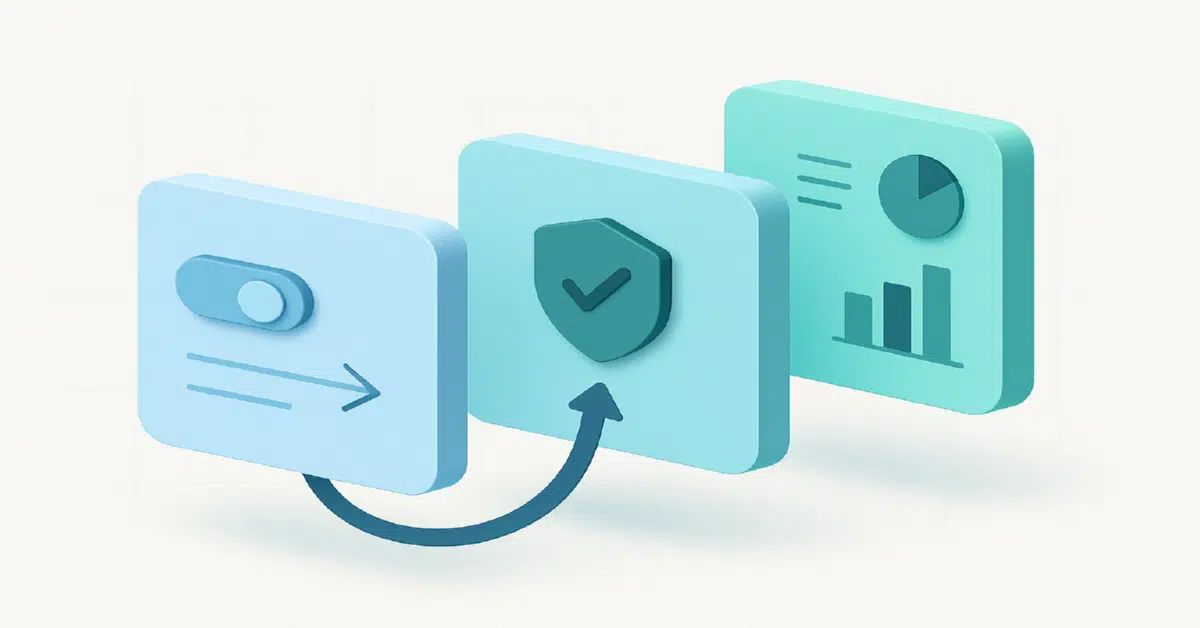


Summary:
- In 2026, one account is a single point of failure; segmentation reduces correlated risk and speeds recovery.
- A single "monolith" turns risky when tests, scaling, and billing converge—rejections, chargebacks, or edit bursts can hit all revenue.
- Use a three-layer role model: Sandbox for risky hypotheses, Operational for stable scale, Reserve for fast failover.
- Promotion is earned: move entities only after clean windows, stable approvals, and predictable payment behavior.
- Blend "Soldiers" (many similar test accounts, noisier) with "Farmers" (fewer, older, cleaner, needs tidy routines) across layers.
- If a BM is blocked: contain first—freeze edits, export a change timeline, switch spend to Reserve, remove suspected creatives, verify payment events, and appeal with structured artifacts (screenshots, logs, landing list, narrative).
- Stability hinges on hygiene and thresholds: avoid back-to-back mass edits, smooth payment rhythms, limit domain/template swings, track rejection streaks, keep a living anomaly log, and run retrospectives to tighten guardrails.
Definition
A multi-account, multi-BM setup for Facebook media buying is an engineered resilience approach built on role separation, disciplined operations, and clean histories. In practice, teams run a loop: test and warm up in Sandbox, scale proven offers in the Operational layer under strict edit/billing rules, and keep a "warm" Reserve to fail over during BM incidents. The outcome is predictable spend and incident handling that doesn’t derail weekly goals.
Table Of Contents
- Why multiple accounts became the baseline in 2026
- When a single account stops being efficient and starts being risky
- How to distribute roles across accounts and BMs
- What should you do when a BM gets blocked?
- Signals that usually trigger quality flags
- Legal and billing hygiene without grey zones
- Engineering nuances that quietly decide stability
- Keeping quality at scale
Short version: running multiple accounts and several BMs is not about vanity scale but about engineered resilience, clean histories, and predictable spend. In 2026 a single account is a single point of failure; role separation and disciplined operations turn BM blocks from disasters into routine incidents.
New to this discipline? Start with a concise primer on how Facebook media buying really works—it sets the mental model for roles, trust signals, and billing hygiene.
Why multiple accounts became the baseline in 2026
Ad systems react to trust signals, billing patterns, and behavioral anomalies; account segmentation reduces correlated risk and accelerates recovery. When rules shift fast, the winner is not the "perfect" account but the team with a small, tidy ecosystem of roles, change logs, and clean payment rhythms.
Separating test traffic from stable scale prevents noisy learning from contaminating long-lived assets. It also helps compliance: fewer unexplained spikes, fewer manual reviews, fewer cascading flags across the same BM. If spend is tight, this limited-budget playbook for 2026 shows how to prioritize tests without polluting core histories.
When a single account stops being efficient and starts being risky
It happens when tests, scale, and billing converge in one place. Any burst of rejections, a chargeback, or an aggressive edit wave immediately impacts all revenue. Centralization slowly builds "history debt": mixed creative themes, inconsistent payments, abandoned experiments.
A tidy but modest multi-account layout beats an overgrown monolith. Even two layers with a warm reserve can absorb most routine shocks without breaking weekly goals.
How to distribute roles across accounts and BMs
Use a simple three-layer model. The Sandbox owns risky hypotheses and warmups. The Operational layer runs core scale under strict hygiene. The Reserve stays warm for fast failover. Each layer has distinct creative rules, edit frequency, and billing profiles. If you need to expand inventory quickly, consider a vetted source to buy Facebook accounts for ads and keep the Reserve "warm" without rushing onboarding.
Graduation is earned, not granted: an entity only moves up after clean performance windows, stable approvals, and predictable payment behavior. This keeps Operational histories pristine and easy to defend.
Isolation rules: what should never be shared across layers
The three-layer model only works when isolation is technical, not just conceptual. Most cascading issues come from "saving time" by sharing the same people, permissions, and assets across Sandbox and Operations.
Keep Operations boring and defensible. That means fewer shared touchpoints with experiments and fewer reasons for the system to correlate anomalies.
- People and permissions: avoid the same broad-admin operator across multiple BMs; limit cross-layer access to narrow, auditable roles.
- Creative history: rejected themes and borderline angles stay in Sandbox—do not import "test winners" into Operations without a clean runway.
- Billing profiles: separate payment sources by layer; mixing riskier patterns with core spend increases correlated flags.
- Change windows: do not run mass edits across layers in the same hour; stagger updates to reduce log "spikes" and improve causality checks.
Result: fewer correlated reviews, faster incident containment, and a cleaner narrative when support asks "what changed and why."
| Layer | Primary purpose | Strengths | Trade-offs | Typical use |
|---|---|---|---|---|
| Sandbox | Hypotheses, warmups, aggressive splits | Fast iteration, low blast radius | Noisy signals, higher review exposure | Creative and audience testing, landing tweaks |
| Operational | Stable spend and scaling | Predictable learning, clean history | Requires strict edit and billing discipline | Core revenue, proven offers and formats |
| Reserve | Instant continuity | Rapid recovery, incident isolation | Maintenance cost to keep "warm" | Night shifts, peaks, incident failover |
"Soldiers" and "Farmers" in one ecosystem
"Soldiers" are numerous similar accounts for parallel experiments; they are easy to train but noisier for quality checks. "Farmers" are fewer, older, and cleaner; they attract fewer manual reviews but demand tidy routines. A practical blend is soldiers in Sandbox and farmers in Operations.
Expert tip from npprteam.shop: "Do not bring controversial test winners straight into Operations. Let them prove stable CTR and conversion quality for several days in Sandbox before promotion."
What should you do when a BM gets blocked?
Contain first, explain later. Freeze edits, preserve the change timeline, switch critical spend to Reserve, remove suspected creatives, verify payment events, then submit an appeal with structured artifacts: screenshots, the edit log, landing list, and a concise narrative of what changed and why.
After access returns, update internal registers, tag the root cause, and adjust guardrails: edit cadence, creative themes, and budget ramp rules. Incidents fuel process upgrades; skipping the retrospective guarantees repetition.
Signals that usually trigger quality flags
Batch rejections around a theme, unusual edit velocity, saw-tooth payments, frequent domain changes, and borderline topics. Keep the rejection streak below a tight threshold, smooth payments, and keep risky experiments quarantined in Sandbox.
Landing page history matters: stable domains with predictable content face fewer manual samples. Sudden template swings correlate with outlier checks.
| Signal | What it implies | First-hour action | Stabilization |
|---|---|---|---|
| BM disabled for quality | Policy or behavioral anomaly | Edit freeze, export change timeline | Appeal plus removal of risky creatives |
| Clustered ad rejections | Trigger in copy, angle, or placement | Pull the batch, review copy, geo, landings | Rewrite variants and re-test in Sandbox |
| Billing flags | Unusual source, interval, or sums | Stop billing ops, verify profile | Normalize rhythm and restore trust |
Expert tip from npprteam.shop: "Prepare artifacts before anything breaks: daily edit history, creative versions with reasons, and a short guide on sensitive themes. Support answers faster to structured context."
Graduation protocol: when a Sandbox winner is ready for Operations
"Earned, not granted" becomes actionable when you define a promotion protocol. It prevents lucky spikes from polluting long-lived assets and keeps your scaling predictable.
| Gate | How to validate | Minimum standard |
|---|---|---|
| Signal stability | Edit log + approval cadence | 48–72 hours without batch rejections or aggressive edit waves |
| Conversion quality | Post-click/lead validity checks | Quality holds when budget increases by 20–30% |
| Operational hygiene | Payments and landings consistency | "Boring" billing rhythm + stable landing content during the window |
Stop rules: if CTR and conversion quality drop together right after scaling—or if edits accelerate—demote back to Sandbox, log the suspected driver (creative, landing friction, billing, or tracking anomaly), and re-run the window.
This turns scaling into engineering: reproducible upgrades, fewer surprises, and cleaner Operations histories.
Legal and billing hygiene without grey zones
Transparent payers, predictable sums, and tidy intervals reduce manual reviews and simplify support communication. When refunds or chargebacks happen, keep explanations at hand and tie them to dated events in your log.
Separate billing sources by layer, avoid introducing new payment methods at peak load, and keep Operational sums and cycles boringly consistent. Boring is good for trust.
Engineering nuances that quietly decide stability
Change velocity leaves a fingerprint in logs. Spread edits, keep them atomic, and avoid back-to-back mass updates. Smooth learning beats dramatic resets, and staggered changes allow faster causality checks if metrics slip.
Diversify formats at different learning speeds to avoid a single dominant signal. Keep attribution experiments off the main BM; anomalous tracking events during learning windows are a common pretext for disruptive checks.
Practical thresholds that prevent snowball effects
Three mass edit waves within six hours are an avoidable risk. Keep streaks of rejected creatives under a strict percentage; pause, rewrite, and retest rather than arguing with the system. Limit domain or large template changes per week unless a clear migration plan is in place.
Expert tip from npprteam.shop: "Maintain a living anomaly log: where, when, what flag type, and what changed within the previous 48 hours. It becomes your best predictor of future blocks and a coaching tool for new operators."
Keeping quality at scale
Consistency wins: shared naming, synchronized launch windows, and fixed control checkpoints for creatives and budgets. Victories should be repeatable, not lucky. When a playbook scales to a second operator without loss of approval rate, it is ready for more budget.
Treat every block as a process test. If the team can rebuild the state fast, the system is sound. If recovery depends on a hero operator, the system needs work.

What to Do If Your Google Ads Campaigns Are Losing Money?
What to Do If Your Google Ads Campaigns Are Losing Money?When your Google Ads campaigns start running at a loss,...

The structure of an advertising account on Twitter: campaigns, groups, tweets
Account structure in X Ads Manager 2026 a practical map for clean learningX Ads Manager organizes buying into three layers...

RMT risks and consequences: bans, rollbacks, confiscations, chargebacks — what happens most often in practice
RMT in 2026: why everyone does it still turns into bans, rollbacks, confiscations, and chargebacksRMT (real-money trading) is any off-platform...


